
Therapy for Couples in California
Specialized Support for High Conflict Relationships
In-person in Los Angeles
Virtual in California
High Conflict Relationships
High conflict relationships are often characterized by ongoing tension, emotional reactivity, communication breakdowns, defensiveness, criticism, blame, avoidance, or difficulty resolving issues. Many couples find themselves stuck in repetitive cycles where neither partner feels understood, validated, or emotionally safe.
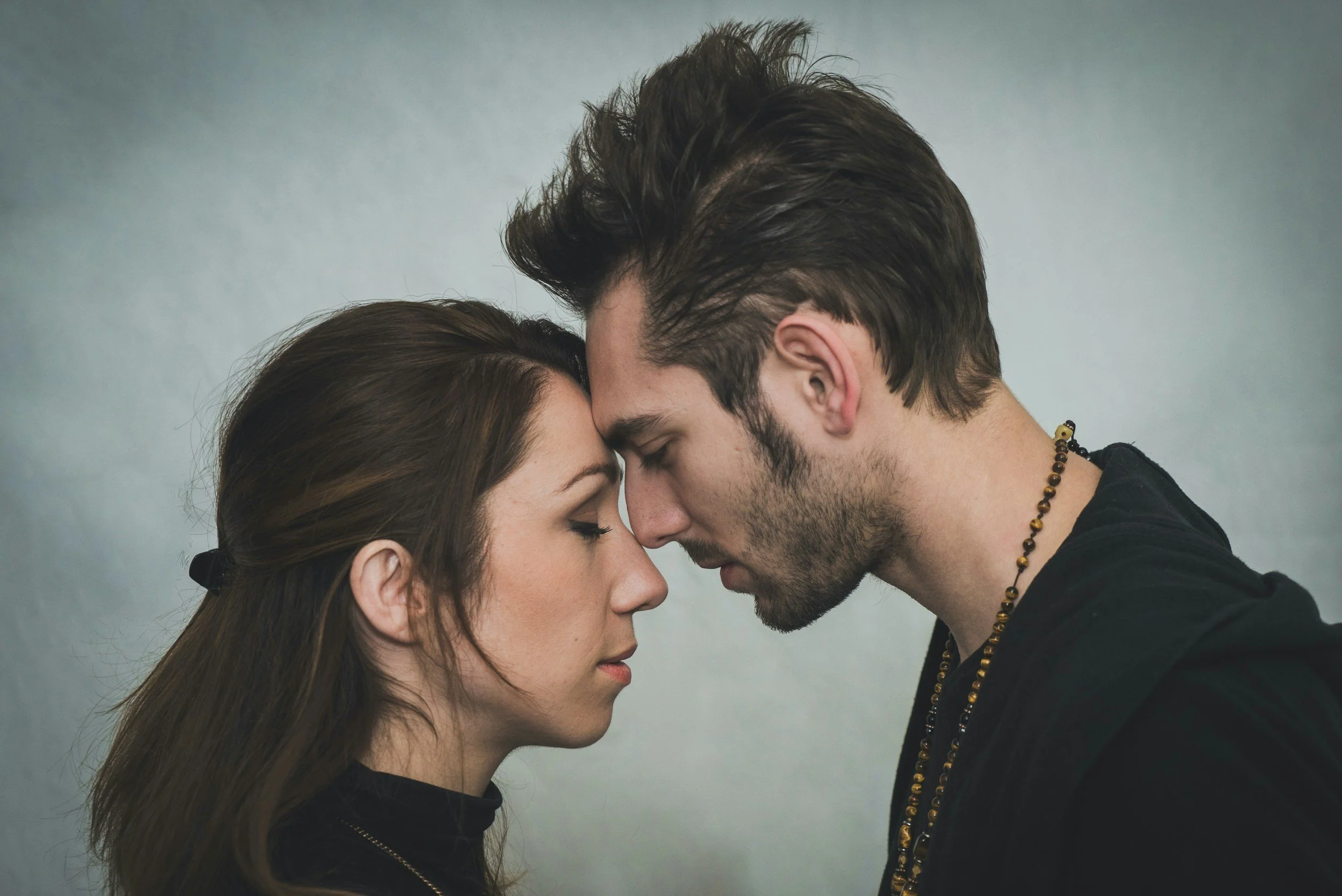
High conflict relationships may involve:
Frequent arguments or emotional escalation
Communication that quickly becomes reactive or hostile
Feeling unheard, dismissed, criticized, or blamed
Emotional withdrawal, shutdown, or avoidance
Difficulty repairing after conflict
Trust issues or unresolved resentment
Power struggles and defensiveness
Intense emotional triggers and sensitivity
Feeling disconnected despite wanting closeness
The Goal Is Not “No Conflict”
Healthy relationships still experience disagreement and frustration. The goal of therapy is not to eliminate conflict entirely, but to help couples learn how to move through conflict in a healthier, safer, and more productive way.
Together, we work toward:
Understanding the root of the conflict cycle
Improving communication and emotional regulation
Increasing empathy, accountability, and validation
Identifying attachment patterns and emotional triggers
Learning how to repair after conflict
Creating emotional safety and stability
Strengthening connection and partnership

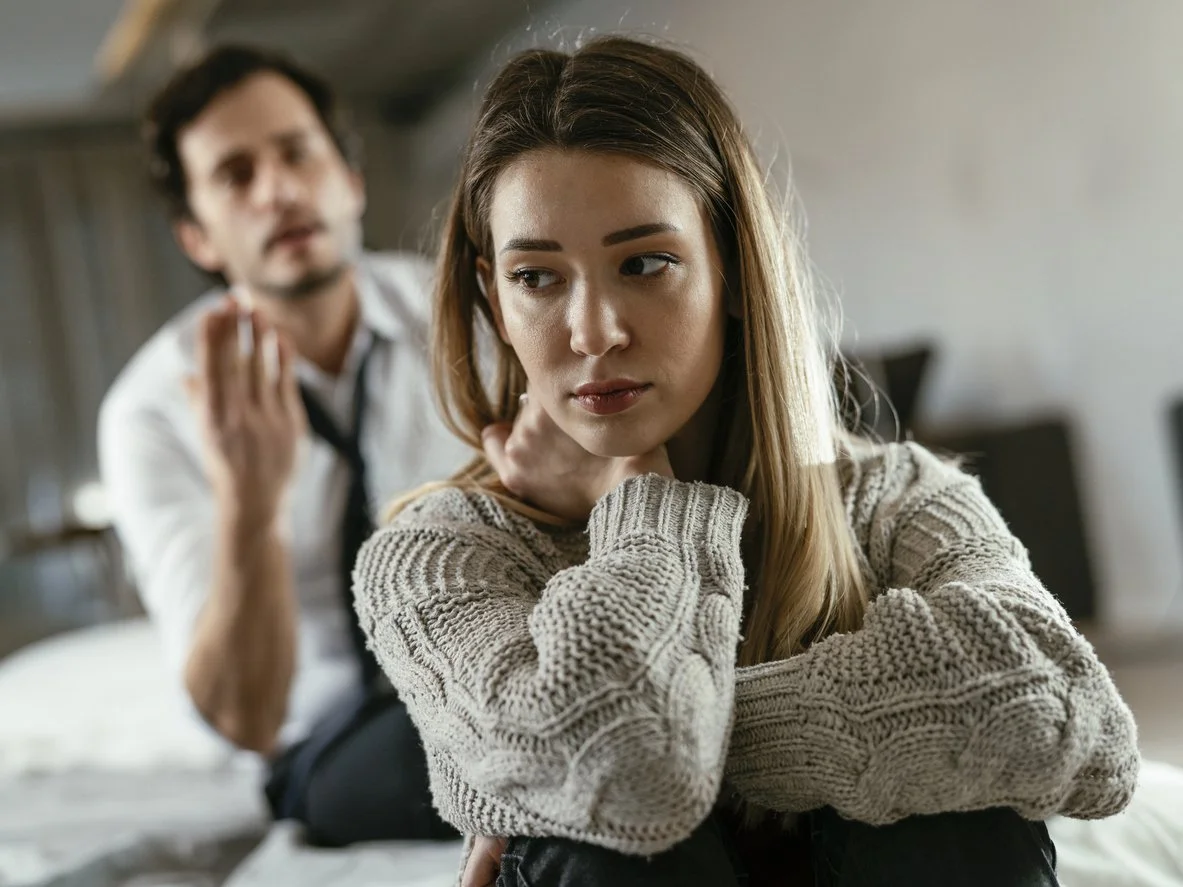
My Approach
My work with couples integrates attachment-based therapy, Psychobiological Approach to Couples Therapy (PACT), interpersonal neurobiology, mindfulness-based interventions, relational therapy, and practical communication strategies.
In sessions, we explore:
The emotional and physiological patterns happening beneath the conflict
How childhood experiences and attachment styles influence reactions
The nervous system’s role in escalation and shutdown
Why certain conversations become repetitive or emotionally charged
How each partner contributes to the cycle
New ways to communicate needs, emotions, and boundaries more effectively
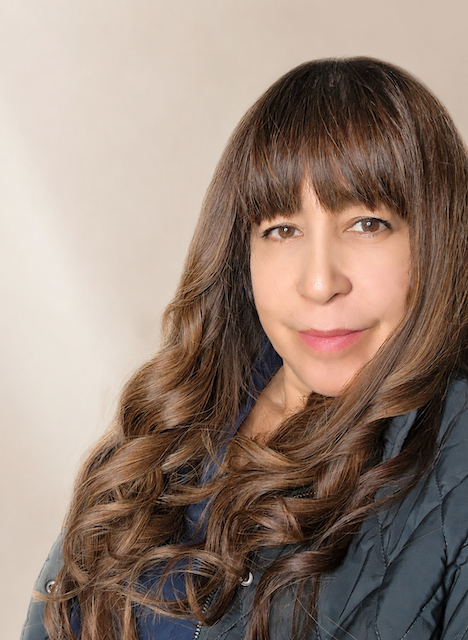
Hi. I’m Tina Marie Del Rosario
A Licensed Clinical Social Worker (#94386). For over 13 years I’ve been working with couples, non-romantic relationships, and individuals from diverse backgrounds.
I value active, collaborative therapy that goes beyond simply listening. I believe meaningful growth happens both inside and outside of the therapy room, and I work closely with clients to help them apply insight into their relationships and everyday lives.
My mission is simple: to help people heal, grow, and build healthier relationships.
Schedule a Free Consultation
Schedule a free 20 minute video Consultation.
Click the button below. No pressure, just connection. You’ll be taken to a short form to fill out.
Frequently Asked Questions
-
High conflict relationships often involve recurring arguments, emotional escalation, defensiveness, difficulty resolving issues, communication breakdowns, or feeling stuck in the same painful patterns. Many couples feel emotionally exhausted, disconnected, or unable to communicate without conflict quickly intensifying.
-
o. Therapy is designed to help slow down reactive interactions and create a structured, supportive environment where both partners can feel heard and understood. The goal is to improve communication, emotional awareness, and conflict resolution, not intensify conflict.
-
Yes. Many couples wait a long time before seeking support. Therapy can help identify long-standing relational patterns, emotional triggers, and communication dynamics while helping couples develop healthier ways of navigating conflict and connection.
-
Couples can develop healthier communication, improve emotional regulation, reduce reactive conflict, strengthen emotional safety, increase understanding of one another, and create a more connected and supportive relationship.